Rule one: grind at the moment of use
Pepper's magic lives in its volatile oils — and "volatile" means exactly that. Once a berry is cracked, the citrus and floral aromatics begin escaping immediately. Ground pepper loses most of its aroma within a few weeks; whole berries hold it for a couple of years.
This is the whole argument for whole TGSEB: you're buying the aroma sealed inside the berry, and you decide when to release it. Never buy it pre-ground, and never grind more than you'll use in a day or two.
Choosing and setting your grinder
TGSEB berries are large — 4.75 mm and above — and some small pepper mills struggle with them.
- Burr mills work best. A ceramic or steel burr mill with an adjustable coarseness setting handles bold berries easily and gives you a consistent grind.
- Open the coarseness setting a notch or two wider than you would for ordinary pepper, at least for the first few turns, so the large berries feed into the mechanism.
- Mortar and pestle is excellent for coarse cracking — a few firm presses splits the berries beautifully for crusts and marinades.
- A rolling pin or heavy pan over berries in a folded towel works fine for a rough crack when you have no mill.
- Avoid cheap blade "grinders" that smash rather than mill — they heat the pepper and give dust plus chunks.
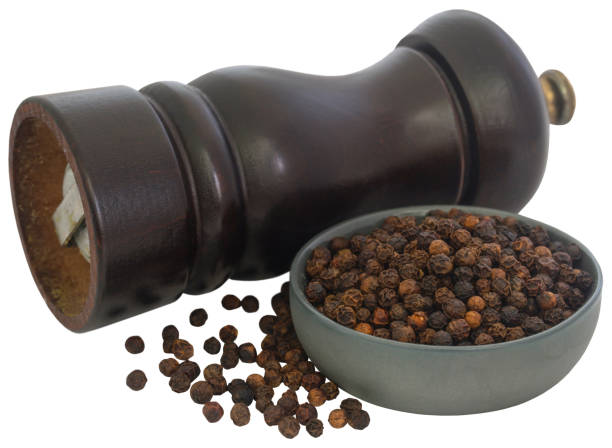
Coarse or fine? Match the grind to the job
| Grind | Best for |
|---|---|
| Coarse crack | Steak and paneer crusts, salads, soups at the table, eggs — anywhere you want bursts of pepper |
| Medium grind | General cooking, sauces, rasam, stir-fries |
| Fine grind | Creamy sauces, marinades, spice rubs, kali mirch chai — where pepper should blend in smoothly |
Six ways to taste what you paid for
- Pepper-crusted steak or paneerPress coarsely cracked TGSEB into the surface with salt before searing. The crust toasts, the aromatics bloom in the fat, and this single dish justifies the pouch.
- Cacio e pepeThree ingredients — pasta, pecorino (or an aged cheese you can find), pepper — so the pepper has nowhere to hide. Toast the coarse grind in the pan for thirty seconds before adding pasta water.
- Rasam, pepper-forwardIn a classic milagu rasam, pepper is the lead instrument. Use TGSEB freshly crushed and add a final pinch off the heat to layer fresh aroma over the simmered base.
- The tadka finishCrack pepper into hot ghee along with cumin at the very end of a dal. The fat carries the volatile oils straight onto the dish without cooking them away.
- Fruit and pepperA few grinds of TGSEB over ripe pineapple, mango, strawberries or watermelon. The citrus notes in the pepper echo the fruit — a two-minute revelation for guests.
- Kali mirch chaiCrush two or three berries into the pot with your tea and ginger. Rounder and more aromatic than powder, especially in monsoon season.
Add good pepper late. Heat is the enemy of aroma — pepper that goes in at the start of a long simmer contributes heat but loses its perfume. That's the job for ordinary pepper. TGSEB goes in at the end, or at the table.
Storing your peppercorns
- Airtight — glass jar or the resealable pouch, properly closed. Air is the main thief of aroma.
- Dark and cool — a cupboard away from the stove. Light and heat accelerate oil loss.
- Dry — never spoon from the jar with a wet spoon; moisture invites clumping and mould.
- Whole berries keep 2–3 years at full strength stored this way. Ground pepper fades in weeks — one more reason to grind as you go.
A quick freshness test any time: crush one berry and smell it. Bright and citrusy means it's alive. Dusty and flat means it's time for a fresh pouch.
Stock the good stuff
Whole TGSEB Tellicherry peppercorns from Nature Presents — packed fresh, sealed airtight, shipped across India.